Posted on 12/19/2025

Brake noise is one of those things drivers hope will “go away on its own.” Maybe it squeals a little in the morning, or you hear a faint grind backing out of the driveway, and you figure you can deal with it later. The problem is that many of those sounds are your brakes trying to warn you that you are running out of time. Once you know which noises are serious, you can decide quickly when it is time to get the car in. Why Brake Noises Deserve Your Attention Brakes work by turning motion into heat. Pads clamp against rotors, hardware moves in and out of tight spots, and every piece is designed to do that quietly when it is in good shape. New noises usually mean something is worn, out of place, or getting hot where it should not. Our technicians see the same pattern over and over. A driver hears a new sound, lives with it for a few weeks, and by the time the car comes into the bay, the pads are gone, or the rotors are badly damaged. Catching it at the &ld ... read more
Posted on 11/28/2025
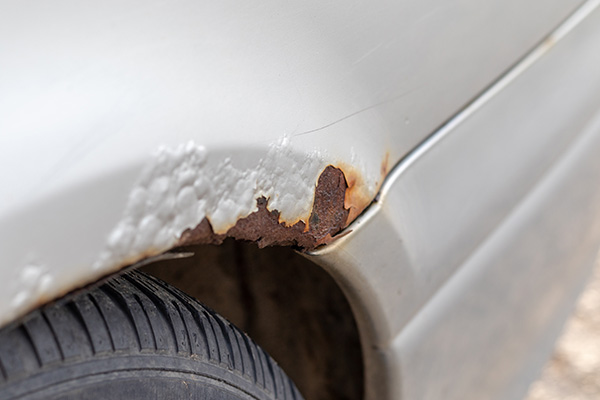
A weekend on snowy roads leaves behind salt, brine, and gritty sand. That mix finds seams, bolt heads, and hidden pockets where corrosion starts quietly. A careful clean-up in the first day or two stops oxidation before it gains a foothold and helps brakes, fasteners, and suspension hardware last through the season. Why Salt and Slush Speed Up Corrosion Road salt lowers the freezing point of water, but it also accelerates oxidation anywhere it lingers. Brine splashes up into wheel wells, settles on brake hardware, and collects inside pinch welds. When temperatures bounce above and below freezing, damp salt cycles between wet and dry, giving rust a fresh start each time. A simple routine that removes residue, dries crevices, and protects exposed metal keeps damage from spreading. Rinse the High-Risk Areas First Use a low-pressure pre-rinse to float grit off paint before any contact wash. Flush behind each wheel to rinse plastic liners, coil spring ... read more
Posted on 10/31/2025
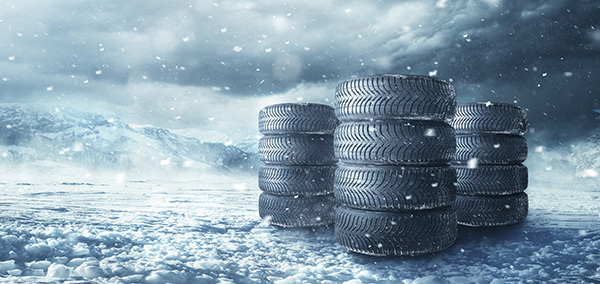
Cold mornings have a way of revealing little problems, and tires are near the top of that list. You might see the dashboard light pop on, feel the steering a bit heavier, or notice the car wandering more than usual. None of this is random. Lower temperatures change the air inside your tires and the rubber that meets the road. A few quick checks can keep you safe and help your tires last through the season. Why Tire Pressure Drops When Temperatures Fall Air contracts as it gets colder. For every 10 degrees the temperature drops, tire pressure can fall by about one PSI. If your tires were already a little low, that overnight chill can push them below the recommended number. The result is a warning light in the morning that sometimes disappears once the tires warm up while driving. That warmup effect does not fix the baseline problem. If the set pressure is low, the tire will be underinflated again the next time it gets cold. The simplest habit is to check and adjust ... read more
Posted on 9/26/2025
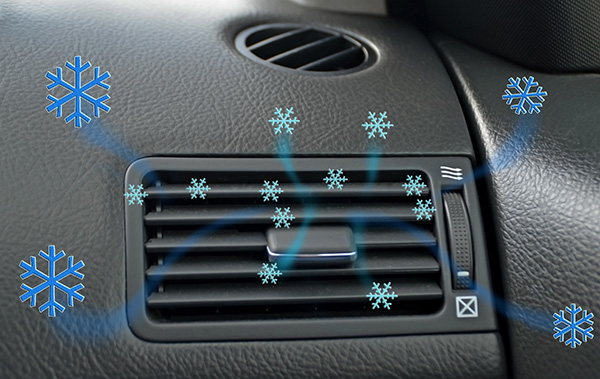
You expect your car’s heater to work when temperatures drop. But when the vents start blowing cold air or no air at all, it’s uncomfortable and usually points to an underlying problem with your vehicle’s cooling, ventilation, or electrical systems. While some fixes are simple, others may involve critical engine components that affect overall performance. If you’re getting little or no heat in the cabin, here are five of the most common causes to consider. 1. Low Coolant Can Prevent the Heater from Working Your car's heating system uses hot engine coolant to warm the air that blows into the cabin. If the coolant level is too low, there may not be enough fluid circulating through the heater core. This can result in weak or no heat from the vents. Coolant loss may happen gradually due to a small leak or more quickly from a hose or radiat ... read more
Posted on 8/29/2025
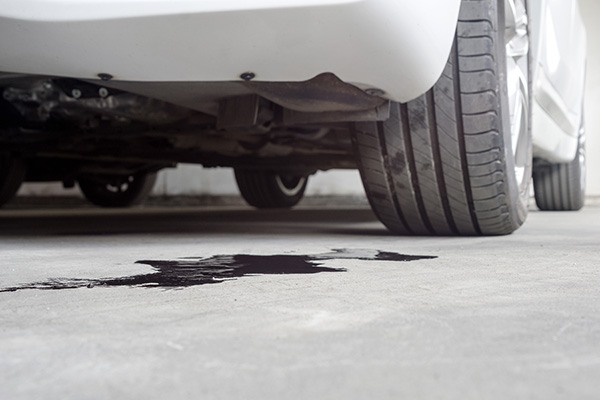
Winter driving in Yakima means your vehicle is exposed to freezing overnight lows and chilly daytime temperatures. While most drivers worry about traction and icy roads, your car’s fluids also face unique stress in the cold. Fluids contract as temperatures drop, seals harden, and metal components shrink slightly. These combined effects make leaks far more common in winter than in warmer months. Why Seals and Gaskets Fail in the Cold Your vehicle relies on dozens of rubber seals and gaskets to keep oil, coolant, and transmission fluid contained. Cold air causes rubber to stiffen, lose flexibility, and become brittle. When you start the engine, these seals are suddenly exposed to rapid heat expansion, which can create cracks or gaps. Even a small tear can allow fluid to escape, especially when pressure builds inside the system. Motor Oil Leaks in Winter Oil leaks are among the most ... read more