Your windshield keeps fogging up, and a sweet smell appears when the heater runs. Then the coolant reservoir needs another top-off, even though no puddle forms under the engine.
Those symptoms suggest looking inside the cabin, not just beneath the hood. A leaking heater core is one possible source, and delaying a repair threatens both engine cooling and visibility. A careful inspection determines where the fluid is going.
What the Heater Core Does With Engine Coolant
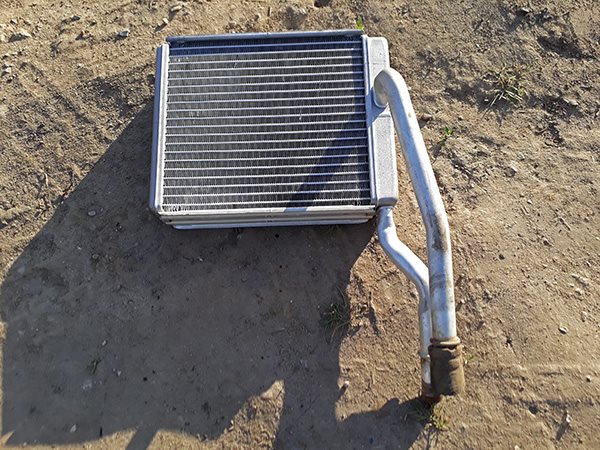
A heater core is a small heat exchanger housed inside the dashboard area. Hot engine coolant flows through it, and the cabin blower moves air across its fins to provide heat and assist with windshield defogging.
Hoses carry coolant from the engine to the heater core and back. Although it warms the passenger compartment, the core is also part of the engine's sealed cooling system.
A leak at the core, a connection, or a nearby hose allows coolant to escape from that closed circuit. The leak sometimes releases too little fluid to leave a visible trail outside the car. During an inspection, we consider the heater plumbing alongside the radiator, water pump, reservoir, and other possible leak points. The symptoms guide the checks, but they don't identify the source automatically.
A Sweet Smell and Damp Carpet Are Common Clues
Engine coolant often has a noticeable sweet odor, although formulations differ. If the heater core leaks inside the HVAC housing, coolant sometimes collects near the passenger-side footwell or travels through ducts. Damp carpet, sticky residue, and an unexplained film on the inside of the windshield are clues worth reporting. Moisture from rain leaks or a blocked A/C drain often looks similar, so testing needs to confirm what's wetting the interior.
A leak sometimes becomes more noticeable when the heater is operating or when coolant pressure rises as the engine warms. Does the smell appear after a long drive but disappear when the car is parked overnight? That pattern helps narrow the inspection. Avoid touching unknown fluid with bare hands, and keep pets away from coolant, which is toxic if swallowed.
Why the Windshield Can Fog More Than Usual
When coolant enters the heater housing, moisture and residue sometimes reach the glass through the ventilation system. Watch for a greasy haze that returns soon after cleaning, especially when warm air blows toward the windshield. The heating system itself also becomes less effective if coolant level falls or air enters the heater circuit. Either problem makes winter visibility harder to manage.
Not every fogged windshield indicates a heater-core leak. Wet floor mats, cabin humidity, an obstructed drain, or a malfunctioning A/C system also creates condensation. A normal defogger relies on heat, airflow, and moisture control. We compare the glass film, odor, carpet moisture, and coolant level before deciding if the HVAC housing needs further examination.
Low Coolant Affects More Than Cabin Comfort
The heater core shares coolant with the engine, so fluid lost inside the cabin reduces the amount available for cooling. When the level falls far enough, the engine can overheat and suffer serious damage. Air trapped in the cooling system sometimes creates temperature fluctuations or weak heat. Repeatedly topping off the reservoir without finding the leak keeps the risk in place.
A low-coolant warning, rising temperature gauge, or steam from under the hood requires prompt action. Stop safely if the engine overheats and don't remove a hot cooling-system cap. Pressurized coolant causes severe burns. If the car is losing substantial coolant, arranging transport is safer than continuing to drive in hopes of reaching the next service appointment.
Testing a Leak Hidden Behind the Dashboard
A cooling-system pressure test helps locate external seepage, provided the procedure is performed at the correct pressure. Inspection inside the cabin looks for coolant staining around the HVAC housing and drain path. Some vehicles also have accessible heater hose connections near the firewall that leak independently of the core. Identifying the exact point prevents unnecessary dashboard disassembly.
We also check coolant concentration and contamination when the service history suggests a problem. Rust, deposits, and incorrect coolant types sometimes damage cooling components over time. If the system has been repeatedly refilled with plain water, that belongs in the discussion. A heater-core replacement is a substantial repair on many vehicles, so the evidence needs to support it clearly.
Repair Choices Depend on the Leak's Location
A loose clamp or damaged external heater hose is often relatively accessible. A leaking heater core often requires significant interior disassembly because the unit sits within the HVAC housing. Procedures vary greatly by model, including how the air-conditioning system and dashboard components are handled. A temporary sealant added to the coolant isn't a reliable substitute for locating and repairing the leak and risks restricting small passages.
Tell us about these signs:
- Coolant level dropping without an obvious puddle
- Sweet odor from the vents
- Sticky windshield haze that returns after cleaning
- Damp carpeting near the front footwell
- Weak heat or fluctuating engine temperature
The inspection should distinguish coolant leakage from ordinary condensation and other water sources. That distinction protects you from paying for the wrong repair.
Confirm the Cooling and Heating Systems After Repair
After repairing the leak, the cooling system needs the approved coolant and a proper air-bleeding procedure. Trapped air sometimes reduces heater output and affects temperature readings even when the damaged part has been replaced. We verify that the system holds pressure, engine temperature remains stable, and warm air reaches the cabin as expected. The interior also needs cleaning and drying to remove residual coolant and moisture.
Future maintenance includes checking coolant condition and responding when the level starts falling unexpectedly. A clean windshield and dependable heat are important, but protecting the engine from overheating is just as urgent. A confirmed repair restores both systems and ends the cycle of topping off coolant without knowing where it went.
Get Heater Core Leak Inspection in Yakima, WA, With Westside Car Care
Westside Car Care in Yakima, WA, investigates coolant loss, heater problems, and signs of leaking HVAC components. We'll explain the inspection findings and repair options.
Call Westside Car Care or schedule your cooling-system inspection online today.