Posted on 8/28/2026
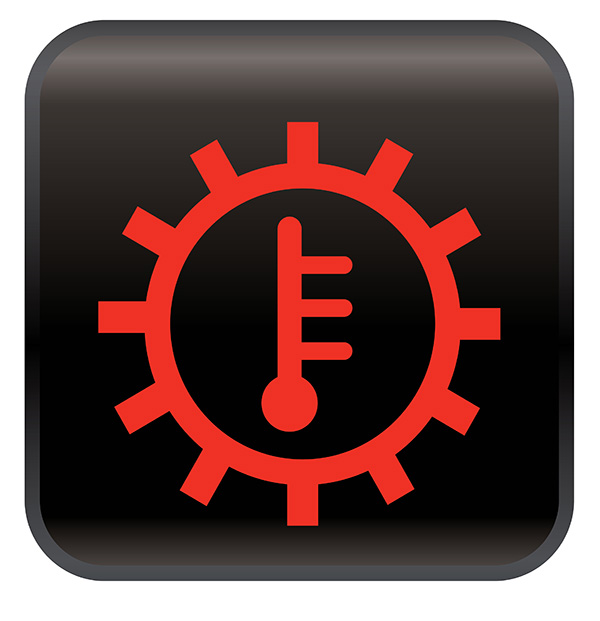
Automatic transmissions naturally create heat. Fluid moves through the torque converter, clutch packs engage and release, hydraulic pressure changes, and the transmission keeps adjusting to vehicle speed and engine load. A certain amount of heat is normal. Trouble starts when the transmission spends too much time hotter than it was designed to run. Towing, steep grades, heavy loads, stop-and-go traffic, and hot weather can all raise temperatures. One short temperature spike is different from a transmission that runs hot every day, so we look at when the heat occurs and how quickly the system cools afterward. What Transmission Temperature Is Considered Too Hot? There is no single temperature number that applies perfectly to every transmission. Modern units use different fluids, cooling strategies, thermostats, and operating ranges. Some are designed to run warmer than older automatic transmissions. As a general rule, we become more concerned when the temperature kee ... read more
Posted on 7/31/2026
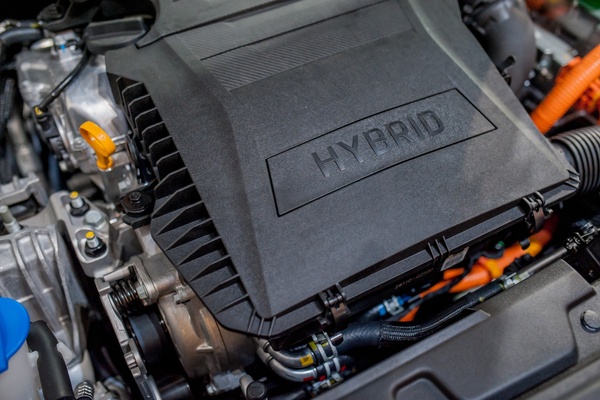
Hybrid battery questions are some of the most common ones we hear from drivers who are thinking about buying a hybrid or already own one and want to keep it for the long haul. The concern makes sense. People love the fuel savings and smooth driving experience, but they also wonder about the battery sitting quietly under the floor or behind the rear seat. How long is it really going to last, and what happens when it does not? At our shop, we think the good news is better than a lot of people expect. Hybrid batteries usually last a long time. In many cases, they last well beyond the point where drivers first start worrying about them. They are built to handle years of charging and discharging, and most manufacturers back them with long warranty coverage because they know the battery is a major part of the vehicle’s value and reputation. That does not mean they last forever, but it does mean most owners are not replacing a hybrid battery the way they replace tires, brakes, or a ... read more
Posted on 6/26/2026
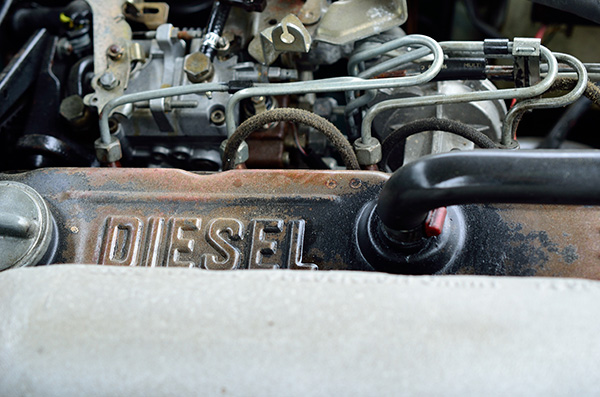
Whenever a customer rolls into Westside Car Care driving a diesel pickup truck or a turbo-diesel wagon, a distinct conversation often starts up in the front office. Other drivers waiting for their oil changes will look out the window, hear that unmistakable low rumble, and ask us if they should consider making the switch to diesel for their next vehicle purchase. The biggest question on everyone's mind is always the same: Is a diesel vehicle actually cheaper or more expensive to maintain over the long haul? At our shop, we work on both gas and diesel platforms every single day. There is a massive amount of conflicting information out there on the internet. Some forums will tell you that diesels are bulletproof machines that live forever with zero maintenance, while others warn that a single repair bill will completely wipe out your savings account. The honest answer from a mechanic's perspective is that it depends entirely on how you use the vehicle. Diesels are not necessari ... read more
Posted on 5/29/2026
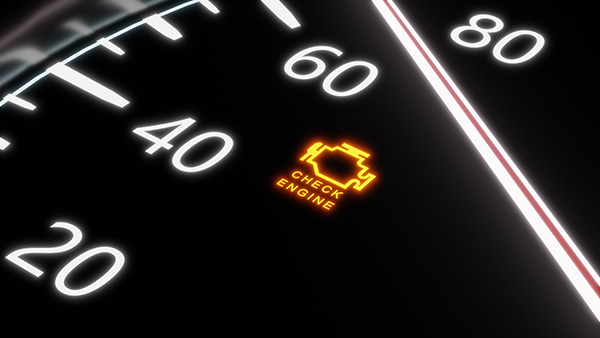
A steady check engine light is easy to put in the latter category. A flashing one is different. It is the dashboard’s way of saying the engine is not just storing a code. Something is happening right now that can damage expensive parts if you keep driving like normal. Most of the time, that problem is an active misfire. The car may shake, lose power, smell like fuel, or feel rough when you press the gas. Sometimes the flashing lasts only a few seconds, then the light turns steady again. Even then, it deserves attention because the engine has already shown that it is not burning fuel correctly. What A Flashing Check Engine Light Usually Means A flashing check engine light usually means the engine is misfiring badly enough to risk damage to the catalytic converter. A misfire occurs when one or more cylinders do not burn the air-fuel mixture properly. The cause could be a worn spark plug, weak ignition coil, fuel injector problem, vacuum leak, low compression ... read more
Posted on 4/30/2026
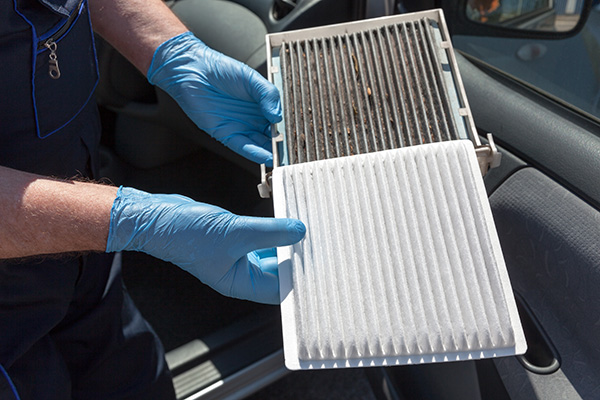
Air filters are easy to overlook because they do not always show obvious symptoms right away. The engine keeps running, the A/C still works, and nothing seems urgent. Over time, though, dirty filters start to affect performance in ways that are easy to miss until they become more noticeable. Both engine and cabin air filters play different roles, but they are equally important. Knowing when to replace them helps keep your vehicle running efficiently and keeps the air inside clean. What the Engine Air Filter Does The engine air filter keeps dirt, dust, and debris from entering the engine. Clean air is essential for proper combustion, and even small restrictions can affect how efficiently the engine runs. As the filter collects debris, airflow becomes limited. That forces the engine to work harder to pull in air, which can affect performance and fuel economy over time. Signs the Engine Air Filter Needs Replacement A clogged engine air filter does n ... read more