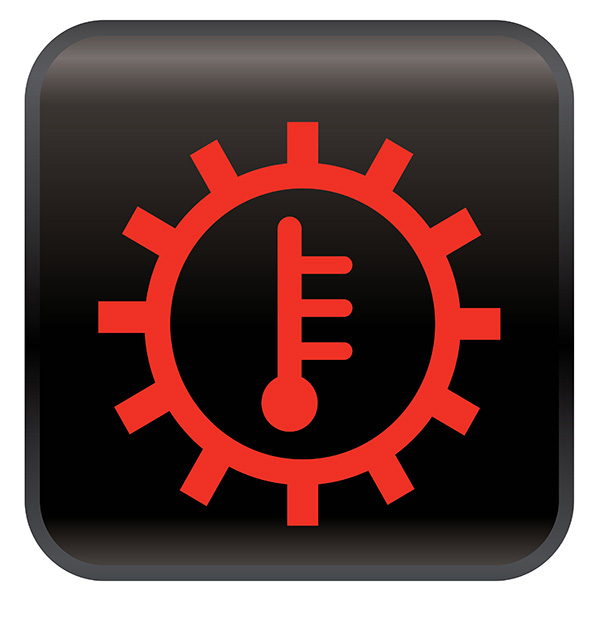
Automatic transmissions naturally create heat. Fluid moves through the torque converter, clutch packs engage and release, hydraulic pressure changes, and the transmission keeps adjusting to vehicle speed and engine load. A certain amount of heat is normal.
Trouble starts when the transmission spends too much time hotter than it was designed to run. Towing, steep grades, heavy loads, stop-and-go traffic, and hot weather can all raise temperatures. One short temperature spike is different from a transmission that runs hot every day, so we look at when the heat occurs and how quickly the system cools afterward.
What Transmission Temperature Is Considered Too Hot?
There is no single temperature number that applies perfectly to every transmission. Modern units use different fluids, cooling strategies, thermostats, and operating ranges. Some are designed to run warmer than older automatic transmissions.
As a general rule, we become more concerned when the temperature keeps climbing beyond its normal range and doesn't come back down. Fluid life shortens as heat rises, and sustained excessive temperature can damage seals, clutch material, wiring, solenoids, and internal components. The best reference is the vehicle manufacturer's operating range combined with scan data from the transmission itself.
Why Automatic Transmissions Create So Much Heat
A large amount of transmission heat comes from the torque converter. When the converter is unlocked, engine speed differs from transmission input speed. That slip allows the vehicle to accelerate and move at low speeds, but it also creates heat in the fluid.
Stop-and-go traffic can be surprisingly demanding because the converter spends more time slipping and the transmission shifts repeatedly. Towing up a grade adds even more load. We often see temperatures climb much faster on a slow uphill pull than during steady highway cruising, even though the vehicle is traveling at a lower speed.
How the Factory Transmission Cooler Removes Heat
Most automatic transmissions already have some form of factory cooling. Fluid is typically routed through a heat exchanger built into the radiator or through a separate factory cooler mounted near the front of the vehicle.
The moving air at the front of the car carries heat away. At lower road speeds, electric or mechanical cooling fans become more important. If airflow is poor because of a weak fan, blocked cooler, dirty radiator area, or bent fins, transmission temperature can rise even when the transmission itself is working correctly.
An External Cooler Adds More Cooling Capacity
An external transmission cooler is an additional heat exchanger installed in the fluid circuit. Hot transmission fluid passes through small tubes or passages while outside air moves across cooling fins. The fluid then returns to the transmission at a lower temperature.
These coolers are especially useful on vehicles that tow, haul heavy loads, climb long grades, or spend extended periods in demanding conditions. Bigger is not automatically better, though. The cooler has to be sized and installed correctly, and the fluid still needs to reach its intended operating temperature rather than staying excessively cold.
When an External Cooler Makes Sense
We do not recommend adding a cooler simply because someone saw a high number once on a scan tool. First, we want to understand why the temperature climbed. A slipping transmission, low fluid, restricted factory cooler, cooling fan problem, or incorrect fluid level needs repair, not extra cooling equipment to hide the symptom.
An additional cooler makes more sense when the transmission is healthy but regularly works under heavier conditions. Towing is the obvious example, but vehicles carrying tools, equipment, or heavy cargo can benefit too. If the manufacturer offers a towing package with increased cooling capacity, that is another clue that heat control becomes more important under load.
Fluid Condition Tells Us What the Heat Has Been Doing
Transmission fluid takes a beating when temperature stays high. It can darken, develop a burnt odor, and lose the qualities that help it lubricate parts and control clutch operation. A transmission that has overheated badly should have its fluid condition checked even if it still shifts normally afterward.
During an inspection, we also look for leaks, cooler line damage, airflow problems, and signs of slipping. Fresh fluid will not repair worn clutches or a damaged torque converter, so you need to understand the transmission's condition before service is recommended.
How to Help Keep Transmission Temperatures Under Control
Regular maintenance is one of the simplest ways to help. Correct fluid level and specification, clean cooling surfaces, working fans, and healthy cooler lines all affect how well heat leaves the transmission.
Driving habits count too. When towing or climbing a long grade, using the transmission mode recommended by the manufacturer can help reduce unnecessary shifting and converter slip. If you monitor transmission temperature, pay attention to patterns instead of one isolated number. A temperature that rises under load and then drops normally is different from one that keeps climbing with no sign of recovery.
Get Transmission Cooling Service In Yakima, WA, With Westside Car Care
If your transmission runs hot while towing, climbing hills, or carrying heavy loads, Westside Car Care in Yakima, WA, can check the fluid, cooling system, cooler lines, and transmission operation to find out whether more cooling capacity would help.
Schedule a visit before repeated high temperatures start taking a toll on the fluid and internal transmission parts.