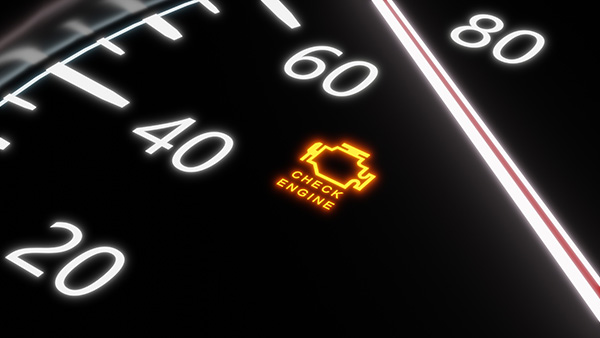
A steady check engine light is easy to put in the latter category. A flashing one is different. It is the dashboard’s way of saying the engine is not just storing a code. Something is happening right now that can damage expensive parts if you keep driving like normal.
Most of the time, that problem is an active misfire.
The car may shake, lose power, smell like fuel, or feel rough when you press the gas. Sometimes the flashing lasts only a few seconds, then the light turns steady again. Even then, it deserves attention because the engine has already shown that it is not burning fuel correctly.
What A Flashing Check Engine Light Usually Means
A flashing check engine light usually means the engine is misfiring badly enough to risk damage to the catalytic converter. A misfire occurs when one or more cylinders do not burn the air-fuel mixture properly.
The cause could be a worn spark plug, weak ignition coil, fuel injector problem, vacuum leak, low compression, wiring issue, or fuel delivery problem. From the driver’s seat, these problems can feel similar. The engine shakes because one cylinder is no longer pulling its share of the load.
The flashing light matters because unburned fuel can leave the cylinder and enter the exhaust. Once that fuel reaches the catalytic converter, heat can build quickly.
Why The Catalytic Converter Is At Risk
The catalytic converter is designed to clean up exhaust gases, not burn raw fuel. When a misfire sends unburned fuel into the exhaust, the converter can overheat. If that continues, the internal material can melt, break apart, or become restricted.
A damaged converter can cause poor acceleration, rattling, a sulfur-like smell, failed emissions testing, and another expensive repair on top of the original engine problem.
This is why a flashing check engine light should not be treated like a normal warning. The first issue may be a spark plug or coil. Waiting can turn it into an engine and exhaust repair.
Can You Keep Driving?
If the check engine light is flashing, do not keep driving normally. Ease off the gas, avoid hard acceleration, and find a safe place to stop. If the engine is shaking badly, losing power, or smelling strongly of fuel, the safer choice is to stop driving and arrange service.
If the light flashed briefly and then stayed steady, you may be able to drive carefully to a nearby shop, depending on how the car feels. But this is not a keep driving for a week situation.
A flashing light is the kind of warning that should change your plan for the day. The longer the misfire continues, the greater the risk to the converter and other parts.
What The Engine May Feel Like
A misfiring engine can feel rough at idle, shaky during acceleration, or weak under load. You may notice the car struggling more when climbing a hill, merging, or driving with the A/C on. The exhaust note may sound uneven, almost like the engine has lost its rhythm.
Some misfires are more subtle. The light may flash only when the engine is under load, then calm down at lower speeds. That still matters. A coil can fail when hot. A plug can misfire under higher cylinder pressure. A fuel problem can show up only when the engine needs more fuel.
Small symptoms are still useful clues. They tell a technician when the problem happens.
Do Not Clear The Code First
Clearing the check engine light before an inspection can make the problem harder to track. The vehicle stores freeze-frame data that shows what was happening when the fault appeared. Engine speed, temperature, load, fuel trim, and misfire data can all help point the testing in the right direction.
If that information is erased, the shop may have to wait for the problem to return before the full picture is available again.
A code reader can tell you which cylinder or system is causing the complaint. It cannot prove the cause by itself. That is where testing matters.
How The Cause Is Found
A proper misfire check starts with the stored codes and live data, then moves into hands-on testing. The technician may check spark plugs, ignition coils, coil boots, injector operation, wiring, fuel pressure, vacuum leaks, compression, and signs of oil or coolant contamination.
A cylinder-specific misfire code is helpful, but it is not the final answer. Cylinder 3 may be misfiring, but the reason could be spark, fuel, air, compression, or control-related.
During regular maintenance, worn spark plugs, dirty filters, small leaks, and early ignition problems can sometimes be caught before they create a flashing light. Once the light is flashing, the inspection must focus on quickly and accurately identifying the cause.
Get Flashing Check Engine Light Service In Yakima, WA, With Westside Car Care
If your check engine light is flashing, your engine is shaking, or your car loses power under acceleration, Westside Car Care in Yakima, WA, can test the engine and find the cause before more expensive damage occurs.
Schedule a visit and get the warning checked before a misfire damages the catalytic converter or other engine parts.