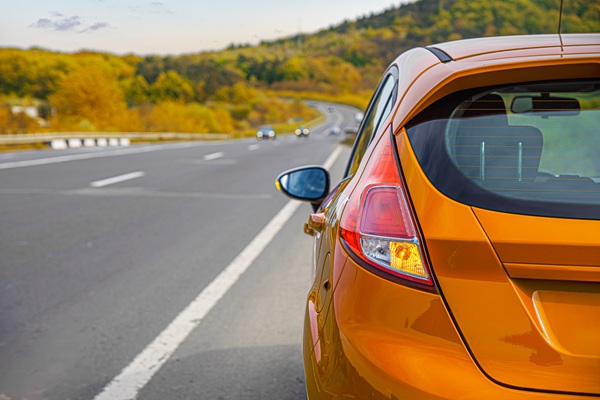
The phone rings, a passenger needs something, or you want to check the next turn. The shoulder looks empty, and you'll only be there for a minute.
That minute still puts a stopped car beside traffic moving at highway speed. Save the shoulder for a breakdown or another emergency, or when directed by authorities. A planned break needs a place separated from passing vehicles.
A Highway Shoulder Isn't a Rest Area
Shoulders provide space for emergencies and road operations. They don't give a parked driver the separation available in a rest area or parking lot. Passing vehicles stay close, and their drivers may be distracted or drift toward the edge of the lane. The danger starts before you open a door. Slowing out of highway traffic, stopping near its path, and rejoining afterward each require another interaction with fast-moving vehicles. A quick break creates all of those movements without a mechanical reason to stop there.
The Shoulder Surface Sometimes Hides Problems
A strip of pavement viewed through the windshield doesn't show every hazard. Loose debris, soft edges, drainage features, and uneven ground affect where the car stops and how it moves again. A tire dropped beyond the paved edge sometimes has little support.
Narrow shoulders also leave less room for passengers or emergency workers. Don't assume there is standing space just because your car fits. If a breakdown forces a stop, tell roadside assistance about the width and traffic exposure so they can plan their approach.
Opening a Door Adds Another Risk
A door opened toward traffic extends into the space passing vehicles use. Stepping around the car leaves a person even closer to that path. Children, pets, and loose belongings make the situation harder to control.
For a planned break, continue to an exit or designated stopping area while the car is operating normally. If someone needs immediate help, treat it as an emergency and ask for assistance. The choice should follow the urgency, not a blanket rule that every stop can wait.
Better Reasons to Take the Next Exit
These routine tasks should wait for separated parking:
- Checking directions or changing the route
- Returning a call or reading a message
- Eating or handing out passenger supplies
- Stretching or taking a short rest
- Looking for an item in the trunk
Choose a place with a safe entrance and room to park. An exit ramp itself isn't automatically a break area. Follow the layout to a parking lot or designated facility instead of moving the stop to another exposed stretch of pavement.
When Drowsiness Makes a Break Urgent
If you're struggling to stay awake, plan a stop before it reaches that point. Repeated yawning, wandering concentration, or trouble remembering the last stretch of road means the driver needs a pause. An open window isn't a substitute for rest.
Take the nearest safe designated stopping option you can reach without continuing dangerously. If you cannot keep control long enough to reach one, make a controlled emergency stop and call for help. Don't treat advice about shoulder hazards as a reason to keep driving when you can no longer do so safely.
A Breakdown Changes the Stopping Decision
An overheating engine, inadequate oil pressure, rapid tire failure, or loss of braking needs an immediate response appropriate to the vehicle and location. Signal and move out of the travel lane if the car can do so safely, then stop as far from traffic as conditions permit. Don't drive miles through a major warning simply to avoid an emergency shoulder stop.
Whether you remain inside or exit depends on the danger. A car safely separated from traffic with no fire concern often provides a better place to wait belted in. Smoke, flames, unsafe positioning, or a likely collision changes that choice. Follow emergency directions, and exit only when you can reach a safer location without walking into traffic.
Rejoining the Highway Is Part of the Risk
A parked car must regain speed before it can merge into moving traffic. A narrow shoulder, limited view, or nearby curve makes that harder. That's one more reason to avoid stopping for a routine task. After a breakdown, the car also needs to be fit to move. A warning disappearing after shutdown doesn't repair the leak, tire, or brake that caused it. Explain the event to the assistance provider and arrange transport when the fault remains unresolved.
Plan Highway Stops Before the Trip
Around Yakima, a route sometimes includes long stretches between convenient services. Look at the next stopping options before departure and allow time for a break. Keep roadside contact details accessible and tell a passenger where the vehicle instructions are stored.
Check tires, wipers, and recurring fluid loss before a longer drive. If a tire keeps needing air or the car starts overheating in traffic, have a mechanic check that issue before the trip. Fixing a recurring problem at the shop is easier than standing beside a disabled vehicle.
Pre-Trip Vehicle Service at Westside Car Care
Westside Car Care in Yakima, WA, can review a recurring tire, cooling, or starting concern before highway travel. Explain the symptom and how far you plan to drive so we can check the car before departure.
Contact Westside Car Care to arrange a pre-trip inspection or repair appointment.