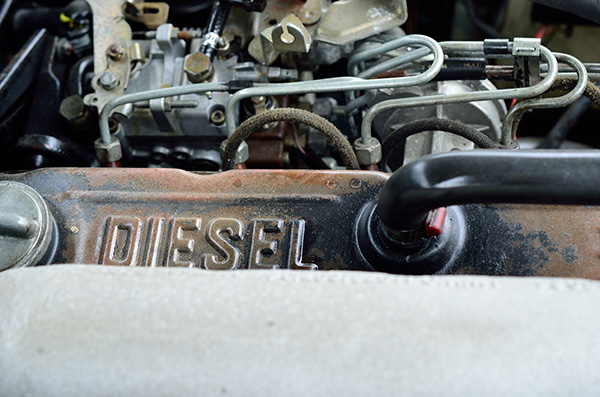
Whenever a customer rolls into Westside Car Care driving a diesel pickup truck or a turbo-diesel wagon, a distinct conversation often starts up in the front office. Other drivers waiting for their oil changes will look out the window, hear that unmistakable low rumble, and ask us if they should consider making the switch to diesel for their next vehicle purchase. The biggest question on everyone's mind is always the same: Is a diesel vehicle actually cheaper or more expensive to maintain over the long haul?
At our shop, we work on both gas and diesel platforms every single day. There is a massive amount of conflicting information out there on the internet. Some forums will tell you that diesels are bulletproof machines that live forever with zero maintenance, while others warn that a single repair bill will completely wipe out your savings account.
The honest answer from a mechanic's perspective is that it depends entirely on how you use the vehicle. Diesels are not necessarily better or worse than gasoline cars, but they are radically different animals under the hood. Let us break down the real-world math of diesel ownership so you can see where you save cash and where you need to be prepared to spend it.
Where Diesels Save You Money
Let us start with the good news first. There are several areas where diesel engines hold a massive financial advantage over traditional gasoline setups, which is why they have such a loyal following among high-mileage drivers.
Fewer Ignition Components: Diesel engines do not use spark plugs, distributor caps, or ignition coils. They rely entirely on extreme pressure and heat to ignite the fuel. This means you completely eliminate the routine cost of periodic tune-ups and spark plug replacements.
Incredible Engine Longevity: Diesel engines are built with heavy-duty components like cast-iron blocks and massive crankshafts to handle the intense internal pressure of compression ignition. If you take care of them, it is common to see these engines cruise past three hundred thousand miles without needing a major overhaul.
Superior Fuel Efficiency: On average, a diesel engine is about thirty percent more efficient than a comparable gasoline engine. If you do a ton of highway driving or heavy towing, your savings at the fuel pump can easily offset other ownership expenses over time.
Where Diesels Cost You More
While the basic mechanical core of a diesel engine is incredibly durable, the specialized systems surrounding that engine require specialized care, and this is where the maintenance costs can start to climb.
First, simple routine maintenance, like an oil change, is naturally more expensive for a diesel. These engines require specialized heavy-duty synthetic oils that can handle the high soot levels generated during combustion. A standard gas car might take five quarts of oil, whereas a large diesel truck can easily hold twelve to fifteen quarts. Furthermore, diesels rely on highly sensitive fuel injection systems, meaning you have to replace premium fuel filters much more frequently to prevent microscopic dirt particles from ruining your injectors.
Second, modern emissions systems are the single biggest variable in diesel maintenance budgets. To meet environmental regulations, modern diesel vehicles are equipped with complex components like Diesel Particulate Filters that trap soot, and Selective Catalytic Reduction systems that require you to regularly refill a fluid called Diesel Exhaust Fluid.
If you only use your diesel truck for short trips around town to run errands, these exhaust filters never get hot enough to automatically clean themselves. They will quickly choke up with soot, leading to dashboard warning lights and an expensive trip to our shop for a manual clearing or component replacement.
The Verdict for Drivers
When you add everything up, a diesel vehicle is generally more expensive to maintain on a year-to-year basis for the average casual driver. The parts are larger, the fluid capacities are higher, and the emissions systems require precise operation to avoid trouble.
However, if you are someone who regularly hauls heavy trailers, operates a commercial business, or commutes massive distances on the open highway every single week, the legendary fuel economy and long-term durability of a diesel will easily outweigh those higher routine service costs.
Let Westside Car Care Keep Your Diesel Running Strong
Whether you are driving a traditional gasoline commuter car or a high-torque turbo-diesel work truck, the absolute key to keeping your maintenance costs low is preventative care. Ignoring a minor fluid leak or skipping a filter replacement schedule will always turn into a costly emergency down the road, no matter what fuel type your vehicle uses.
We welcome you and your vehicle to Westside Car Care in Yakima, WA, or give us a call to schedule your next maintenance checkup.