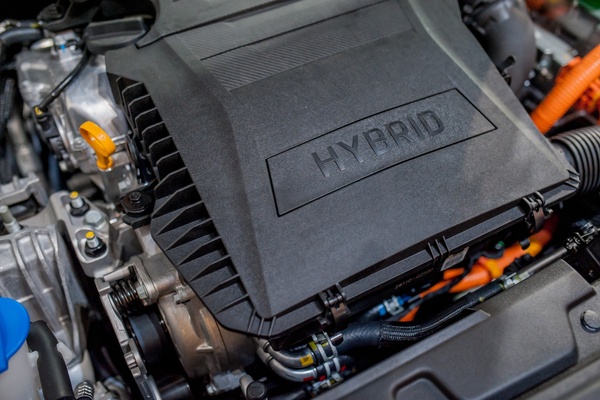
Hybrid battery questions are some of the most common ones we hear from drivers who are thinking about buying a hybrid or already own one and want to keep it for the long haul. The concern makes sense. People love the fuel savings and smooth driving experience, but they also wonder about the battery sitting quietly under the floor or behind the rear seat. How long is it really going to last, and what happens when it does not?
At our shop, we think the good news is better than a lot of people expect.
Hybrid batteries usually last a long time. In many cases, they last well beyond the point where drivers first start worrying about them. They are built to handle years of charging and discharging, and most manufacturers back them with long warranty coverage because they know the battery is a major part of the vehicle’s value and reputation. That does not mean they last forever, but it does mean most owners are not replacing a hybrid battery the way they replace tires, brakes, or a 12 volt battery.
The more honest answer is that hybrid batteries age gradually, replacement cost can vary a lot, and the smartest move is understanding the full picture before assuming the worst.
Hybrid Batteries Usually Last Longer Than Many People Think
A lot of people hear the word battery and immediately think of something short lived. Hybrid batteries are very different from the little 12 volt battery that starts a conventional car. They are designed for long term vehicle use, and in many hybrids they hold up well for years and years.
In real world terms, it is common for hybrid batteries to last into the 8 to 15 year range, and many go well past 100,000 miles. Some last much longer than that depending on the model, driving conditions, climate, and how well the vehicle has been maintained overall.
From our side of the shop, the biggest surprise for many drivers is not how quickly hybrid batteries fail. It is how often they keep going longer than expected.
Why They Last As Long As They Do
Hybrid battery systems are managed much more carefully than people realize. The vehicle does not just charge and discharge the battery in a careless way. The system is designed to protect the battery from the kind of deep abuse that shortens battery life.
The battery management system monitors temperature, charge level, and operating conditions constantly. The car is always trying to keep the pack in a healthy range rather than pushing it to extremes.
That careful management is one of the biggest reasons hybrid batteries tend to age more gracefully than many drivers assume.
Heat Is One Of The Biggest Battery Enemies
If there is one factor we think about a lot with hybrid battery life, it is heat. High temperatures are hard on almost every battery, and hybrid packs are no exception. Vehicles in very hot climates may see battery aging happen a little faster over time, especially if the cooling system for the battery is not kept in good shape.
That does not mean every hot climate hybrid is doomed. It just means temperature is part of the lifespan conversation. A battery that lives in cooler conditions and gets regular airflow through its battery cooling system may hold up better than one that spends years baking in extreme heat with neglected maintenance.
Driving Habits Also Matter
Hybrid batteries are built for regular use, and in many ways they like being used. A vehicle that gets driven consistently often ages more predictably than one that sits for long stretches. Long periods of disuse can be harder on many vehicle systems in general, and hybrid battery packs are no exception.
Short trips, stop and go driving, and city use are not automatically bad for a hybrid battery. In fact, hybrids are designed to handle that type of driving very well. What matters more is overall vehicle condition, climate, cooling system health, and simple age over time.
Signs A Hybrid Battery May Be Wearing Out
Most hybrid batteries do not fail all at once without warning. In many cases, the vehicle gives clues first. Those clues may be subtle at the beginning, then become more obvious if the battery continues to degrade.
A few common warning signs can include:
- Fuel economy dropping more than expected
- The engine running more often than it used to
- State of charge swinging up and down more than normal
- Hybrid system warning lights
- Sluggish acceleration or weaker overall performance
- Battery cooling fan noise becoming more noticeable in some models
These signs do not always mean the hybrid battery is definitely bad, but they do mean the car deserves proper diagnosis.
Do Not Confuse The Hybrid Battery With The 12 Volt Battery
This is one of the most important distinctions we make with customers. A lot of no start or warning light complaints in hybrid vehicles turn out to be the regular 12 volt battery, not the high voltage hybrid battery pack.
The 12 volt battery handles many of the same support roles it does in a conventional vehicle, including powering electronics and helping boot up vehicle systems. When it gets weak, the symptoms can look alarming and may even feel like a hybrid battery problem.
At our shop, we always want to rule out the basics first before jumping straight to the most expensive possibility.
How Much Does It Cost To Replace A Hybrid Battery
This is the part everyone wants to know, and the honest answer is that the range is wide. Hybrid battery replacement cost depends heavily on the make and model, the size and design of the battery pack, whether you are using a new OEM battery, a remanufactured pack, or another replacement option, and where the work is done.
For many mainstream hybrids, replacement can fall somewhere in the low thousands to several thousand dollars. For some vehicles, the total can stay on the lower end of that range. For others, especially more complex or less common models, the bill can climb much higher.
That is one reason we are careful about giving one exact number. The spread is simply too wide for one universal answer.
Why The Price Varies So Much
The battery pack itself is a big part of the cost, but it is not the whole story. Labor, testing, module balancing or programming where needed, and the difference between dealer parts and specialist options can all affect the total.
A few things that influence price include:
- Make and model of the vehicle
- Battery chemistry and pack size
- New versus remanufactured replacement options
- Dealer pricing versus hybrid specialist pricing
- Labor and any related programming or testing
Two hybrid battery replacements can sound like the same job and still end up very different in final cost.
Replacement Is Not Always The First Step
One of the biggest mistakes we see people make is assuming a hybrid warning light automatically means full battery replacement. Sometimes the problem is the 12 volt battery. Sometimes it is a cooling issue. Sometimes it is one section of the battery pack aging differently than the rest. Sometimes it is a sensor or control issue.
Good diagnosis matters a lot here.
At our shop, we believe drivers deserve a real answer before anyone starts talking about major replacement. Hybrid battery systems are too expensive and too important to treat with guesswork.
In Many Cases The Math Still Makes Sense
Even when a hybrid battery does need replacement, the decision is not always as painful as people expect. If the vehicle is otherwise in good shape, has been reliable, and still meets your needs, replacing the battery can still be much cheaper than replacing the whole car.
That is especially true when the rest of the vehicle has plenty of life left and the owner wants to avoid taking on a new car payment. The battery may be a large repair, but it can still make financial sense if it restores years of usable life.
The Best Approach Is To Stay Ahead Of The Problem
At our shop, we think the smartest way to think about hybrid battery life is not to panic about it early and not to ignore warning signs late. Hybrid batteries are generally durable, but they are still a major component that deserves proper diagnosis if the vehicle starts showing signs of change.
Pay attention to fuel economy, warning lights, unusual battery behavior, and cooling system maintenance. If something starts feeling different, it is better to get answers early than to assume the battery is either perfect or completely finished.
Choose Us Hybrid Battery Replacement
Hybrid batteries usually last much longer than many people expect, often into the 8 to 15 year range and well past 100,000 miles in many vehicles. Replacement cost can vary widely depending on the vehicle and the repair path, often ranging from a few thousand dollars to several thousand more. The most important thing is not jumping to conclusions before the system is diagnosed properly.
If your hybrid is showing warning lights, unusual battery behavior, or changes in fuel economy and performance, visit Westside Car Care in Yakima, WA. We can inspect the system, test what needs testing, and help you understand whether the battery is truly failing or whether something else is causing the problem.