A voltage display shows a higher number than you're used to seeing, or the battery develops a strong smell after a drive. Maybe you've just replaced the battery and worry the new one is already being damaged. It's tempting to compare the reading with one number found online and decide the alternator is faulty.
Charging systems don't all behave the same way. Temperature, battery condition, and electronic control can change their voltage targets. The useful test is whether the charging system is behaving correctly for that vehicle under those conditions, especially if there are signs of battery overheating.
One High Reading Doesn't Establish Overcharging
Older charging systems and modern computer-controlled systems can operate differently. Some vehicles deliberately increase charging voltage in cold conditions or when recovering battery charge. A reading that looks high compared with a familiar older car can be part of a normal control strategy.
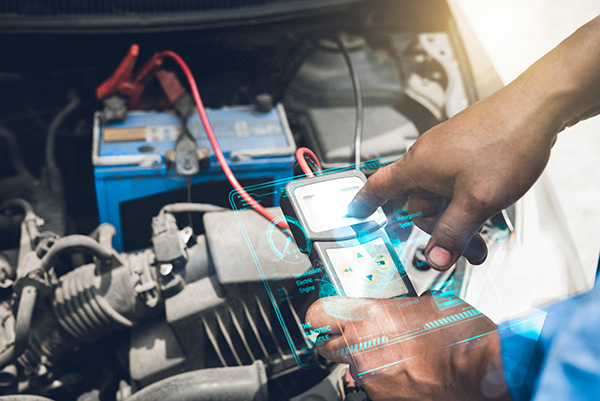
Check the reading with a suitable meter at the battery and compare it with the vehicle's specifications. A dashboard display or plug-in accessory helps you notice a change, but it isn't a complete diagnosis. Note whether the number stays high after the engine and battery warm, and whether any warning or battery symptom accompanies it.
Compare Actual Voltage With the Requested Voltage
On systems that provide the data, a scan tool can show what the charging control is requesting. Compare that information with the actual voltage and the inputs used to set the target. Battery temperature, state of charge, and the configured battery type can affect the command.
At our shop, that comparison helps distinguish a regulator that isn't following instructions from a control system receiving incorrect information. A wrong temperature reading or battery setting can lead the system to request unsuitable charging. Replacing the alternator doesn't necessarily correct the input or configuration that caused the problem.
A Poor Connection Can Mislead the Charging System
The charging system depends on accurate voltage information and sound electrical connections. Resistance in a sensing circuit or ground can affect what the regulator sees. Loose or corroded battery and alternator connections also deserve checking before blaming the charging unit.
A connection can look acceptable while failing under electrical load. Voltage-drop testing measures the difference across a cable or connection while current is flowing. That gives more useful information than an unloaded continuity check. Repairs should restore the intended connection, not add random wiring that bypasses battery-monitoring equipment or changes the circuit's operation.
Battery Heat, Swelling, and Odor Need Prompt Attention
Excessive charging can overheat a battery and drive off electrolyte, but a damaged battery can also develop heat or charging problems of its own. A swollen case, leakage, or a strong sulfur-like odor calls for caution regardless of which component started the problem.
Stop using the vehicle and arrange professional help if the battery is hot, swollen, leaking, or producing a strong odor. Avoid sparks, smoking, or handling the battery to investigate it. Don't disconnect a battery cable with the engine running as an alternator test. That shortcut can create electrical damage and doesn't identify the cause of overcharging.
Test With Temperature and Electrical Load in Mind
A brief check immediately after startup may not reproduce a problem that occurs later. Evaluate charging voltage under the specified conditions, including electrical demand and temperature where relevant. Heated glass, lamps, and the blower can change demand, while a fully charged battery behaves differently from a depleted one.
Test the battery using the correct type and rating. A weak or unsuitable battery can complicate the results. If the complaint began after replacement, verify capacity, technology, venting, and any required registration. A new battery doesn't prove the rest of the charging system is healthy or configured correctly.
Confirm the Repair Before Another Battery Goes In
An inspection should identify whether the fault involves regulation, sensing, wiring, the battery, or another part of the control system. If the battery is damaged, you need to address both the damage and the cause. Installing another battery while leaving excessive charging unresolved only repeats the exposure.
Keep the test results and replacement details with your regular maintenance records. The most useful report includes measured voltage, operating conditions, and what was corrected, not simply that the alternator passed once. After repair, the charging behavior should be checked again under the conditions that produced the original concern.
Get Alternator And Charging Diagnostics In Yakima, WA, With Westside Car Care
Westside Car Care in Yakima, WA, can compare charging voltage with the vehicle's requirements and check the battery, regulator controls, and electrical connections.
Contact us to schedule charging-system testing before replacing an alternator based on a single voltage reading.